
Follow your curiosity
The most interesting question in technology is not always “What can it do?” Sometimes it is “What happens after the impressive part?” That is where Nova After Dark begins: after the launch trailer, after the perfectly arranged demonstration, and before you spend your money or hand over your data.
Good technology coverage gives you a clear view of the evidence. A researched overview explains what the sources say. A product test records an operator’s experience under documented conditions. Knowing which you are reading makes every conclusion more useful.
A little wonder, a little friction
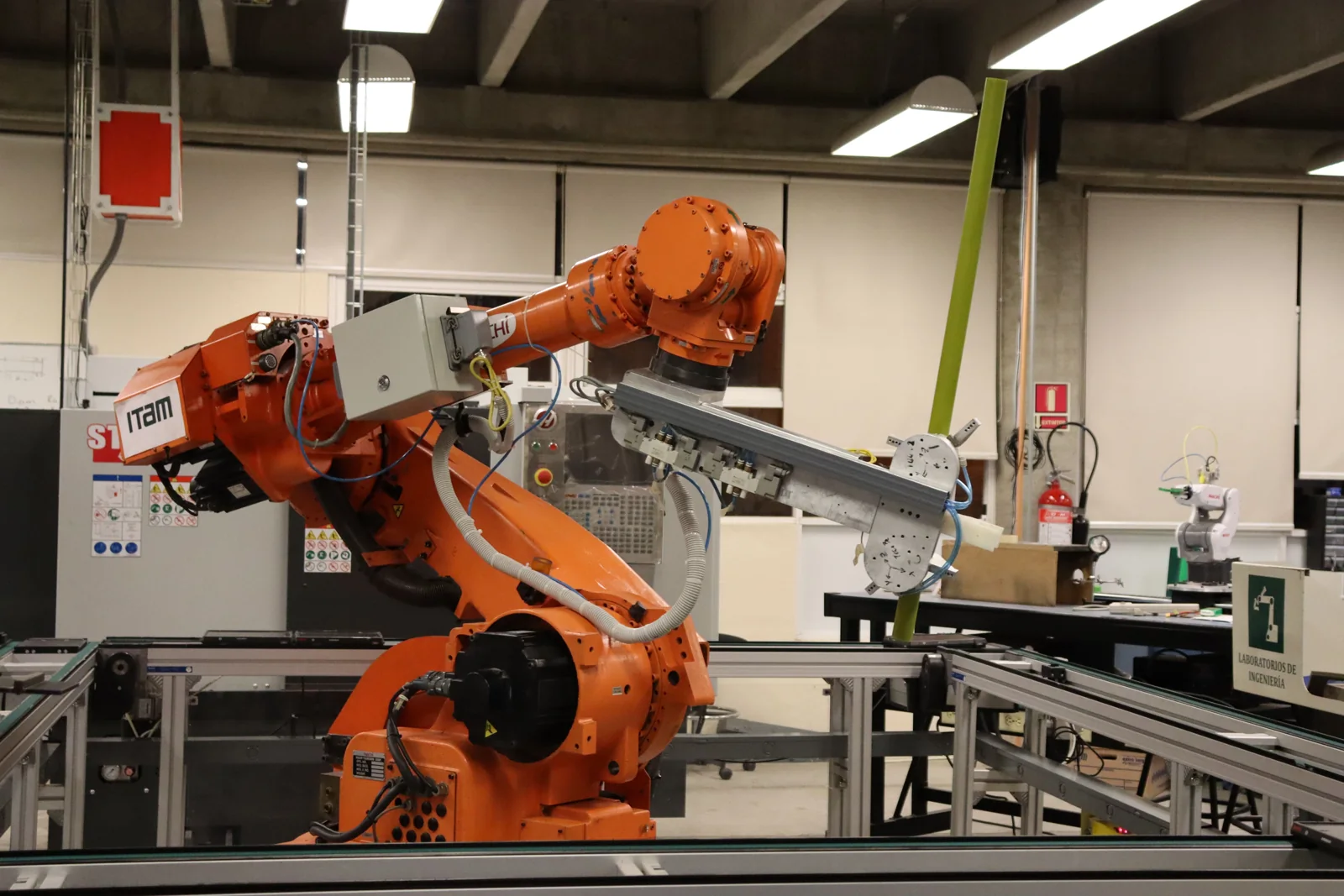
This publication explores AI assistants, robots, creative tools, local models, and the culture growing around them. We want the genuinely surprising moment. We also want the setup time, the maintenance burden, the recurring bill, and the awkward failure that never made it into the trailer.
Our editorial ambition is simple: be enjoyable without being careless, and skeptical without becoming joyless. A beautiful interface can be worth celebrating. A clever robot can deserve applause. Neither gets an exemption from the follow-up questions.
Start with the questions
This collection lays out the questions we ask, the evidence we require, and the independence behind our editorial decisions. You can move from an original essay to the review method, then into a documentation-based research profile. Each has a different job: sharpen the question, explain the criteria, or map the available evidence.
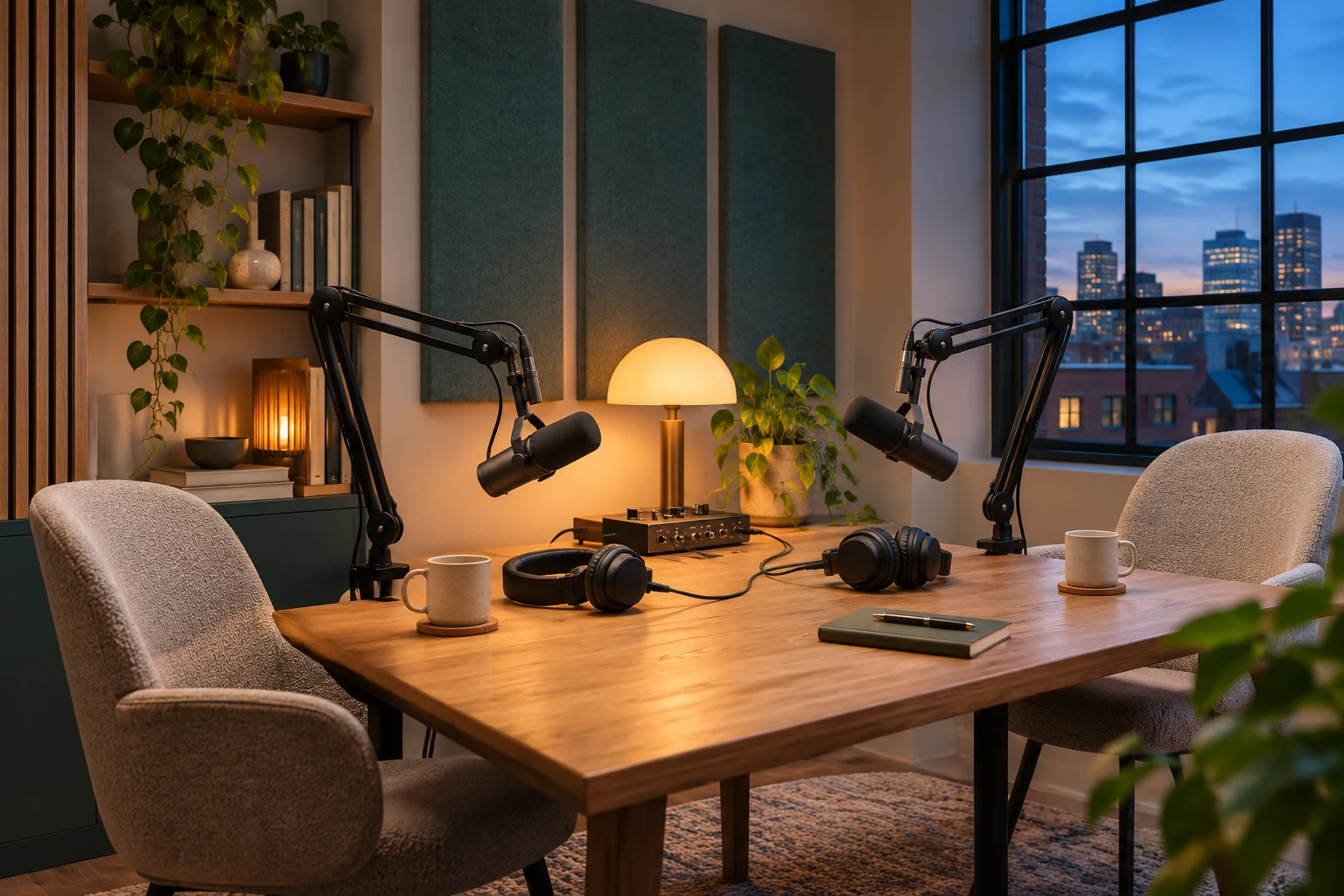
The studio follows the same rhythm: identify the promise, inspect the evidence, and explore what it means. Start with the conversation behind Nova After Dark, or choose an essay and follow the thread that interests you.
The invitation
Bring us a product that solved a real problem, a robot that made an extraordinary promise, or an overlooked question worth asking. Suggestions should be judged by their value, not by the size of the sender’s audience. Public credit will be optional and reviewed before publication.
The compass is a reminder to stay oriented: curiosity points us toward the next story; evidence tells us where we actually arrived. Welcome to Nova After Dark.